Understanding what a Suboxone therapy program really is
If you are exploring a Suboxone therapy program, you may be weighing hope against fear. You want relief from cravings and withdrawal, but you might also worry about safety, side effects, and what this choice means for your long‑term recovery.
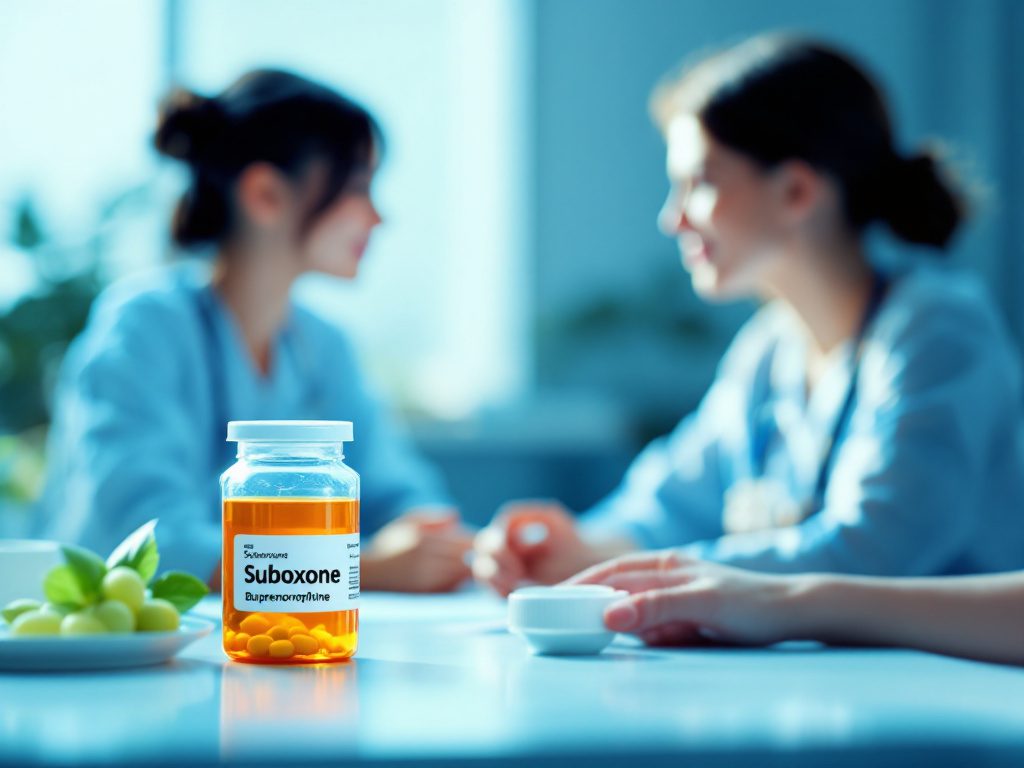
Suboxone treatment is a form of medication assisted treatment, or MAT, for opioid use disorder. It combines buprenorphine and naloxone to reduce cravings, prevent withdrawal, and lower relapse risk without creating the intense euphoria associated with opioids like heroin or oxycodone [1]. A structured program uses this medication along with counseling, monitoring, and support to help you build a stable, healthy life.
A modern suboxone treatment program is not about “replacing one drug with another.” It is about giving your brain and body a safer, more stable foundation so you can actually focus on recovery instead of constantly battling withdrawal and cravings.
How Suboxone and buprenorphine work
To understand the truth about Suboxone therapy, it helps to know what is actually happening in your brain.
The role of buprenorphine
Buprenorphine is the main active ingredient in Suboxone. It is a partial opioid agonist, which means it attaches to the same receptors in your brain that opioids target, but it activates them only partially. This provides enough effect to ease withdrawal and cravings, without the intense high or respiratory depression seen with full opioids [2].
Buprenorphine also has a long half life, about 24 to 42 hours. This long duration of action allows for steady relief from withdrawal symptoms and cravings, which supports a stable daily routine and usually avoids the need for multiple doses each day [1].
If you are considering a buprenorphine treatment program, you are exploring an option that is designed to give you consistent symptom control with less risk of misuse and overdose compared to full opioid agonists.
The role of naloxone
Suboxone contains naloxone along with buprenorphine. Naloxone is an opioid antagonist, so it blocks opioid receptors rather than activating them. When Suboxone is taken as prescribed, under the tongue or on the inside of your cheek, naloxone has minimal effect.
However, if someone tries to misuse the medication by injecting it, naloxone becomes active and can trigger withdrawal symptoms in people who are physically dependent on opioids. This is built in as a safeguard to discourage abuse [2].
Why Suboxone feels different than other opioids
Buprenorphine’s “ceiling effect” means that after a certain point, taking more does not significantly increase its opioid effect. This is one reason Suboxone does not produce the same kind of high as heroin, fentanyl, or oxycodone, and why the overdose risk is lower when used as directed.
In a well managed opioid treatment with Suboxone program, you receive enough medication to feel physically stable. The goal is for you to feel normal, not numb or “out of it.”
What to expect in a Suboxone therapy program
A comprehensive suboxone therapy program is more than a prescription. It is a structured, medically supervised process with clear phases and ongoing support. Suboxone is usually taken once daily as a dissolvable film or tablet, and the dose is gradually adjusted until you are at a stable level that keeps withdrawal and cravings controlled [2].
Most programs move through three main phases.
1. Initial assessment and induction
You begin with a detailed assessment of your medical history, opioid use, mental health, and current symptoms. This is where you and your provider decide if a medication assisted treatment program with Suboxone is appropriate.
Induction usually starts when you are in mild to moderate withdrawal. Starting too early can actually worsen your symptoms, so timing matters. Under medical supervision, you receive your first doses and are monitored closely while your provider adjusts the amount based on how you feel [1].
During this phase, a medically supervised MAT program focuses on:
- Safely transitioning you off short‑acting opioids
- Reducing acute withdrawal symptoms
- Bringing cravings down to a manageable level
2. Stabilization
Once you are past the initial transition, the focus shifts to finding the lowest effective dose that keeps you comfortable and functional. This is the stabilization phase.
Your Suboxone dose is fine tuned, and you begin to settle into a daily routine. You may start or increase counseling sessions, support groups, or other services that are part of your suboxone and counseling program. The objective is to achieve both physical and emotional stability [1].
3. Maintenance and long‑term planning
During maintenance, you are living your life with consistent support. You continue medication at a dose that works for you, attend therapy, and work on long‑term goals such as rebuilding relationships, work, or school.
Over time, you and your provider may discuss whether tapering off is appropriate. Tapering is gradual and is always done under medical supervision. There is no one “right” timeline. Some people stay on Suboxone longer, others taper sooner. What matters is safety, stability, and your readiness [1].
If you are ready to move forward, resources like start Suboxone treatment can help you understand what an initial visit and early weeks might look like.
How MAT supports long‑term success
Medication assisted treatment with Suboxone is strongly supported by scientific evidence and major public health organizations. It has been shown to lower relapse risk, reduce overdose, and improve retention in treatment for people with opioid use disorder [1].
In other words, using Suboxone as part of a structured MAT program for opioid addiction can significantly improve your chances of staying in recovery.
Stabilizing the brain so you can focus on recovery
Long term opioid use changes the way your brain responds to stress, pleasure, and pain. These changes do not reverse overnight. Suboxone gives your brain time to heal by:
- Reducing withdrawal distress
- Lowering the intensity of cravings
- Providing a consistent, predictable effect each day
When you are not constantly fighting withdrawal or obsessing over how to get more opioids, you have more energy to devote to therapy, relationships, work, and self care. This is one of the core reasons opioid relapse prevention with MAT is effective.
Why combining medication and counseling matters
On its own, medication can stabilize your body. Counseling helps you understand and change the patterns that fed your addiction. The most effective Suboxone therapy programs combine both.
A robust suboxone and counseling program may include:
- Individual therapy to address trauma, anxiety, depression, or other personal factors
- Group counseling to build peer support and reduce isolation
- Family education and support when appropriate
- Skills training for coping with stress, triggers, and high‑risk situations
Cedar Recovery, for example, integrates medication management with individual and group therapy, mobile clinics, telehealth services, and flexible intensive outpatient programs, creating a comprehensive support system for recovery [1].
Myths and fears about Suboxone therapy programs
You may have heard strong opinions about Suboxone, some of them discouraging. Sorting facts from myths can help you make a decision based on what is safest and most effective for you.
“It is just replacing one addiction with another”
This is one of the most common concerns. It is also not accurate.
Addiction is not only about taking a substance. It involves compulsive use despite harm, loss of control, and intense cravings. In a supervised suboxone therapy program, you use a controlled dose of medication to reduce these very problems.
Suboxone does not produce intense euphoria when used correctly and is designed to stabilize, not destabilize, your life [1]. The goal is medical treatment, not continued addiction.
“You have to stay on it for life”
Some people stay in MAT for many years, and for them, this may be the safest option. Others taper off after a period of stability. Suboxone treatment typically includes induction, stabilization, and maintenance, and tapering can be done gradually under medical supervision when and if you are ready [1].
Long term use does not mean failure. It means you are using a proven medical approach that helps you keep your life and health on track. The right duration is individual and should be decided with your treatment team.
“You are not really sober if you are on Suboxone”
For many people, recovery means moving from chaotic, unsafe use to a stable, healthy life. If Suboxone allows you to avoid illicit opioids, maintain employment, care for your family, and engage fully in therapy and life, that is meaningful recovery.
Public health organizations such as the CDC, SAMHSA, and WHO support Suboxone as a legitimate, evidence based treatment for opioid use disorder [1]. Your recovery is measured by your health, safety, and quality of life, not by whether you take a prescribed medication.
“It is too risky or unsafe”
Any medication has risks, which is why medical supervision is essential. However, when taken as directed within a medically supervised MAT program, Suboxone is considered a safer alternative to ongoing opioid misuse.
Naloxone in Suboxone is specifically included to discourage misuse by causing withdrawal if someone injects the medication while physically dependent on opioids [2]. This combination and the ceiling effect of buprenorphine both contribute to a better safety profile than most full opioid agonists.
Safety protocols and medical monitoring
A quality Suboxone therapy program builds safety into every step of your care. This typically includes:
- Comprehensive intake assessment and medical history
- Review of current medications and possible interactions
- Regular follow up visits to monitor symptoms and side effects
- Urine drug screens when appropriate
- Education on how and when to take Suboxone correctly
Programs like Cedar Recovery are accredited and follow rigorous standards. Cedar Recovery is CARF accredited and supported by grant funding from the Tennessee Department of Mental Health & Substance Abuse Services, reflecting a structured and accountable treatment environment [1].
If you choose an outpatient Suboxone clinic, you can expect ongoing monitoring while still living at home, working, or going to school. This allows you to integrate recovery into your daily life instead of stepping away from it entirely.
Outpatient Suboxone and daily life
One of the main advantages of a Suboxone therapy program is that it can be delivered in an outpatient setting. This offers flexibility and access, especially if you have work, school, or family responsibilities.
An outpatient opioid addiction treatment program that uses Suboxone may offer:
- Regular in‑person or telehealth visits
- Medication adjustments as needed
- Counseling and group therapy
- Case management and support with housing, employment, or legal issues
SMC Arizona in Scottsdale, for example, includes Suboxone as part of an outpatient Opiate Treatment Program, combined with counseling and therapy services, and accepts a range of insurance providers [2].
If finances are a concern, exploring options like insurance covered Suboxone treatment can clarify what kind of support may be available to you.
How Suboxone fits into your overall recovery plan
Suboxone is one tool in a broader recovery strategy. It can be life changing, but it works best when it is part of a comprehensive plan that addresses both the physical and psychological aspects of opioid use disorder.
A holistic approach might include:
- Medication management through an opioid treatment with Suboxone or buprenorphine for opioid use disorder program
- Individual and group counseling to process past experiences and develop new coping skills
- Support for co‑occurring mental health conditions, such as depression or anxiety
- Recovery support groups and peer networks
- Practical help with work, education, and family relationships
Over time, you and your providers can review your progress, adjust your dose, strengthen your recovery supports, and discuss any interest in tapering. The key is that you are not expected to figure this out alone.
Suboxone therapy programs are not about taking a shortcut. They are about giving you a medically supported, realistic path out of constant withdrawal and relapse so you have the chance to build a different future.
Taking your next steps toward treatment
If you are still uncertain, it may help to think about your options in concrete terms. Continuing to use opioids keeps you at ongoing risk of overdose, legal trouble, and health problems. A structured Suboxone therapy program, in contrast, offers a path that is medically supported, monitored, and focused on your long term success.
To move forward, you can:
- Learn the basics of how Suboxone treatment works, including what to expect at your first appointment.
- Explore an outpatient Suboxone clinic or medication assisted treatment program near you and ask about assessment and enrollment.
- Talk openly with a provider about your history, your worries, and your goals so they can help tailor a plan to you.
- Ask about counseling options, including individual therapy, groups, or a combined Suboxone and counseling program.
You deserve a recovery plan that is grounded in science, safety, and respect. Suboxone therapy, used thoughtfully and combined with counseling, can be a powerful foundation for long term stability and health.