What opioid treatment with Suboxone really means
When you first hear about opioid treatment with Suboxone, it can be hard to know what is fact and what is fear. You might wonder if you are just “trading one drug for another,” how safe it is, or whether you will ever get off it. Understanding how Suboxone actually works, why it is used, and how it fits into a full treatment plan can help you make an informed decision about your recovery.
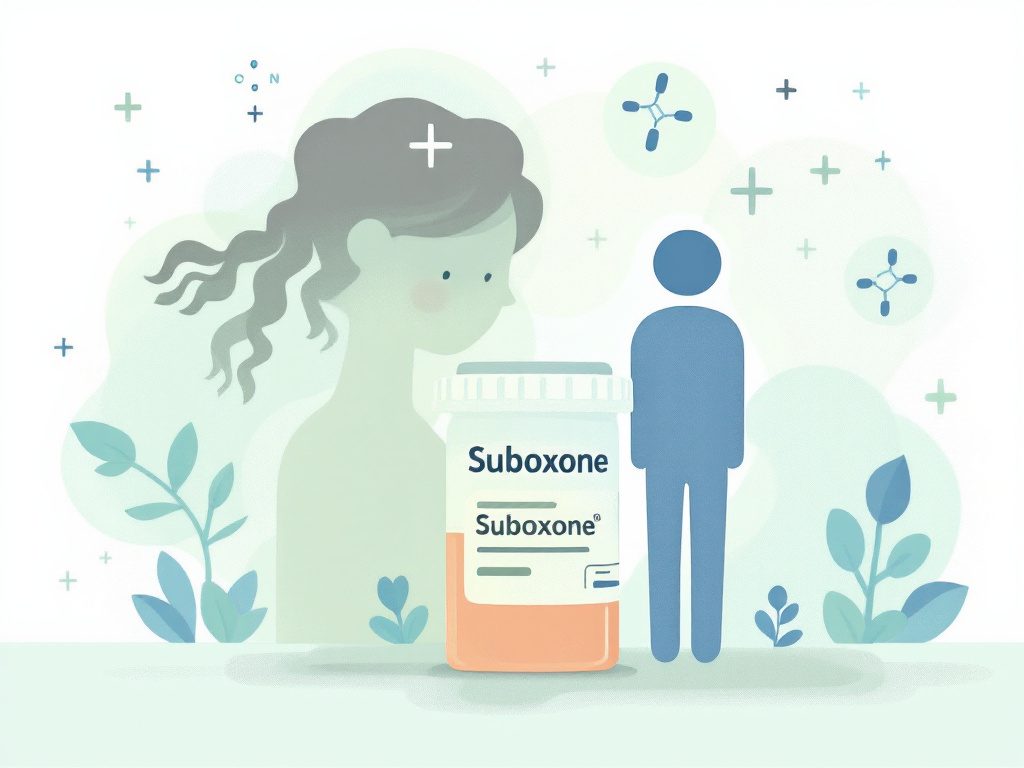
Suboxone is a brand name medication that combines buprenorphine and naloxone. It is prescribed to treat opioid use disorder as part of medication for opioid use disorder, often called MAT or MOUD, in a structured medication assisted treatment program [1]. When you use it in a clinically supervised setting along with counseling and support, it can significantly reduce withdrawal symptoms, cravings, and relapse risk so you can focus on rebuilding your life instead of constantly fighting your body.
How Suboxone and buprenorphine work in your brain
Suboxone is designed to give you enough stability to function without creating the intense high you may have experienced with full opioids like heroin, fentanyl, or oxycodone.
The role of buprenorphine
Buprenorphine is the main active ingredient in Suboxone. It is a “partial opioid agonist,” which means it activates the same receptors in your brain that other opioids do, but it does so in a controlled, limited way.
Buprenorphine:
- Eases withdrawal symptoms
- Reduces cravings
- Produces a ceiling effect, so after a certain dose, the effect does not keep increasing
Because of this ceiling effect, buprenorphine helps you feel stable and able to function, without the intense euphoria or respiratory depression associated with full opioid agonists [2]. This is one key reason it is used in modern buprenorphine treatment program models.
The role of naloxone
Naloxone is an opioid antagonist. Its job is to block opioid effects if Suboxone is misused in ways it is not prescribed for, such as injecting the medication.
When taken as directed, under your tongue or inside your cheek, naloxone has very limited effect. If someone attempts to misuse it, naloxone can trigger withdrawal and block the high, which helps discourage misuse [2].
This combination of buprenorphine and naloxone creates a balanced approach. You get relief from withdrawal and cravings, but the “upside” of misuse is greatly reduced.
Why the long half-life matters for you
Buprenorphine has a long half-life, typically 24 to 42 hours, which means it stays in your system and maintains stable levels over time [2]. For you, that stability can translate into:
- Less frequent dosing
- Fewer ups and downs through the day
- A more predictable routine so you can work, parent, or go to school
In an outpatient suboxone clinic, this long half-life allows your provider to create a schedule that supports your daily life instead of controlling it.
What to expect from opioid treatment with Suboxone
When you begin a suboxone treatment program, your care team typically follows three main phases. Understanding these phases can reduce anxiety and help you know what to expect.
Induction phase
Induction is the first stage, when you are switching from your current opioid use to Suboxone.
You generally start Suboxone when you are already in at least mild to moderate withdrawal. Starting too soon can cause sudden, intense withdrawal because buprenorphine displaces other opioids from your receptors. Your provider will:
- Review your opioid use history
- Assess your withdrawal symptoms
- Begin with a carefully chosen starting dose
- Monitor your response in the first hours and days
In a medically supervised mat program, this process is closely monitored for safety. The goal is to get you to a dose that eases withdrawal and reduces cravings without causing heavy sedation.
Stabilization phase
After induction, you move into stabilization. Your dose may be adjusted until your cravings and withdrawal symptoms are consistently controlled. During this time you start to notice:
- Fewer thoughts about using
- Less time spent chasing opioids
- More energy and mental space for work, family, and therapy
This is often when counseling, support groups, and a structured suboxone therapy program become central parts of your week. Stabilization is about building a solid base for long-term recovery, not just surviving day-to-day.
Maintenance phase
Maintenance is the longer-term phase of treatment. Some people stay in this phase for months, some for years. There is no single “right” timeline. As long as Suboxone is helping you avoid relapse, stay safe, and move forward in your life, it can be appropriate to continue under medical supervision [2].
During maintenance you will typically:
- Have regular appointments and prescription checks
- Work with your therapist or counselor on deeper issues
- Revisit your goals, such as employment, relationships, or education
- Consider, over time, whether tapering is appropriate for you and when
Your provider should work with you to decide if and when to taper. Any taper should be slow and medically guided, not rushed or forced.
Safety, monitoring, and side effects
Suboxone is considered a safe and effective treatment for opioid use disorder when you use it as prescribed and under proper medical supervision. That does not mean it is completely free of side effects or risk, but it does mean the risk is significantly lower than continuing to use illicit or unregulated opioids.
Common physical side effects
Most side effects of Suboxone are mild and often improve as your body adjusts. These can include:
- Headache
- Nausea or constipation
- Sweating
- Sleep changes
In rare cases, especially with sublingual or buccal film formulations, dental issues such as dental caries or even tooth loss have been reported [1]. Good oral hygiene, regular dental checkups, and rinsing your mouth with water after your dose can help lower this risk. If dental problems develop, your provider may look at alternative buprenorphine and naloxone formulations.
There are also rare but serious side effects such as serotonin syndrome, which can involve high body temperature, agitation, sweating, and dilated pupils. Symptoms like these are medical emergencies and need immediate attention [3].
Behavioral and mental health considerations
Suboxone can also be associated with behavioral or mental side effects, such as mood changes, anxiety, or sleep disruptions. For many people, these are related not only to the medication but also to:
- Underlying depression or anxiety
- Trauma or posttraumatic stress disorder (PTSD)
- Stress from early recovery
Treating these conditions at the same time as your opioid use disorder, instead of postponing them, often improves your overall outcome [1]. A suboxone and counseling program can integrate mental health support directly into your care so you are not trying to manage these issues on your own.
Supervision, safety checks, and monitoring
In a high quality mat program for opioid addiction, your safety is supported through:
- Careful medical and psychiatric assessment before you start
- Regular follow up visits and urine drug screens
- Prescription monitoring and pill or film count reviews when needed
- Coordination with your primary care doctor or specialists when appropriate
Suboxone is a Schedule III controlled substance, which means it carries a moderate to low risk of dependence compared to more dangerous opioids. Buprenorphine’s weaker brain effect and naloxone’s blocking action help lower the potential for misuse compared with methadone or full agonists [3].
Why Suboxone alone is not enough
Opioid treatment with Suboxone is most effective when it is part of a bigger plan that includes therapy, behavioral support, and peer connection. Medication alone can stabilize your body, but it does not automatically heal the patterns, relationships, or mental health issues connected with addiction.
The importance of counseling and therapy
Evidence continues to show that combining Suboxone with counseling or behavioral therapy improves your chances of staying in treatment and reaching long term recovery goals [1]. In practice, that might include:
- Individual therapy to work on trauma, grief, or anxiety
- Cognitive behavioral therapy (CBT) to recognize and change thinking patterns that lead to use
- Family therapy to rebuild trust and communication at home
Many programs, including an integrated suboxone treatment program, design your therapy plan around your history, goals, and co occurring conditions so you are not getting one size fits all care.
Peer support and community
Groups such as SMART Recovery or Narcotics Anonymous can also play a powerful role in your recovery. Attending meetings, whether in person or online, connects you with others who understand the challenges of opioid use disorder and MAT. Research shows that adding peer support to Suboxone treatment can improve engagement and outcomes, both in inpatient and outpatient opioid addiction treatment settings [1].
Some MAT programs host or recommend local support groups, so you can build a support network that extends beyond clinic visits.
Suboxone is not meant to replace your life. It is meant to create enough stability for you to build one.
Addressing co occurring mental health conditions
If you live with depression, generalized anxiety, PTSD, or another mental health condition, treating that condition alongside your opioid use disorder can significantly increase your chances of long lasting recovery. Concurrent treatment often leads to better outcomes than addressing each condition separately [1].
In a comprehensive buprenorphine for opioid use disorder program, your provider should ask about:
- Past diagnoses and medications
- History of trauma or chronic stress
- Current symptoms such as low mood, panic, or nightmares
This allows them to coordinate your MAT with psychiatric care and therapy instead of treating each in isolation.
Clearing up myths about MAT and Suboxone
There are several common myths about opioid treatment with Suboxone that can keep you from getting help. Taking time to examine them can help you decide based on facts instead of fear or stigma.
“It is just trading one addiction for another”
Suboxone does involve continued use of an opioid medication, but the way it is used in a structured medically supervised mat program is very different from active addiction.
Addiction is about loss of control, compulsive use, and continuing despite harm. On Suboxone, you are:
- Using a stable, prescribed dose
- Under medical supervision
- Following a treatment plan focused on your health and goals
Studies show that Suboxone treatment can lower emergency room visits by up to 45 percent among people recovering from opioid addiction [3]. That is a clear sign that this is not just a lateral move, it is a meaningful shift toward safety and stability.
“If you were really serious, you would quit everything”
For many people, quitting opioids suddenly without MAT leads to repeated cycles of withdrawal, relapse, and higher risk of overdose. Suboxone reduces cravings and withdrawal, which lowers your overall relapse risk and creates space for therapy, rebuilding relationships, and working on long term goals [2].
Being “serious” about recovery means choosing the approach that keeps you alive, engaged, and able to improve your life, not the one that looks most dramatic from the outside.
“You should only be on Suboxone for a short time”
There is no universal time limit for MAT. Some people stabilize and taper within a year. Others stay on Suboxone for many years because it continues to protect them from relapse and overdose. Treatment usually follows the three phase model of induction, stabilization, and maintenance, but the length of each phase is individualized [2].
You and your provider can revisit this question regularly. A safe taper is gradual, planned, and supported, and it is always okay to stay on a medication that is working for you if the benefits outweigh the risks.
How Suboxone compares with methadone and other options
Suboxone is not the only MAT option, but it is one of the most commonly used, especially in outpatient settings.
Compared with methadone:
- Suboxone offers similar safety and effectiveness for opioid use disorder [3]
- Buprenorphine has a lower overdose risk because of its ceiling effect
- Suboxone is often available in office based or clinic based settings instead of daily methadone clinic visits
- Suboxone carries a lower potential for misuse and is classified as a Schedule III substance, while methadone is Schedule II [3]
In pregnant individuals, buprenorphine has been associated with more favorable outcomes for both parent and baby when compared to methadone, which can also factor into treatment planning [3].
Your provider may talk with you about all available options, including methadone or non opioid approaches, so you can choose the path that best fits your medical needs, lifestyle, and history.
Integrating Suboxone into your daily life
One of the biggest benefits of opioid treatment with Suboxone is the ability to participate in everyday life again. With a steady dose and an outpatient suboxone clinic model, you do not have to pause your entire life to get help.
You can usually:
- Work or look for a job
- Attend school or training programs
- Care for children or other family members
- Build a healthy routine with sleep, nutrition, and exercise
It can help to think of Suboxone as a foundation, not a full structure. The medication stabilizes your brain chemistry so you can build habits, supports, and skills that keep you well in the long term.
If cost is a concern, an insurance covered suboxone treatment option may be available so you can use benefits you already have to access care. Many programs help you verify coverage and understand any out of pocket costs upfront.
Taking the next step into treatment
If you are considering opioid treatment with Suboxone, you do not have to commit to a long, detailed plan all at once. Your first step is simply an honest assessment with a professional who understands opioid use disorder and MAT.
A typical path forward might look like this:
-
Initial assessment
You meet with a clinician in a suboxone treatment program or outpatient opioid addiction treatment setting. They ask about your opioid use, medical history, mental health, and current symptoms. -
Personalized treatment plan
Based on your assessment, they discuss whether Suboxone is appropriate for you and how how suboxone treatment works in their program. They may recommend additional services such as counseling, group therapy, or case management. -
Starting medication
If you and your provider agree to proceed, you start suboxone treatment during an induction visit, with clear instructions on when and how to take your medication and what symptoms to watch for. -
Ongoing care and adjustment
Over the next weeks and months, you attend follow up visits, participate in therapy, and adjust your dose as needed. You and your provider track progress, manage any side effects, and focus on opioid relapse prevention with mat. -
Long term planning
As you move through stabilization and maintenance, you revisit your goals, whether that includes long term Suboxone, eventual tapering, or other changes in your recovery plan.
If you are ready to explore a structured suboxone and counseling program or a broader mat program for opioid addiction, reaching out for an assessment is the most important step. You do not have to solve everything today. You only have to be willing to talk honestly about where you are and what you want your life to look like next.
Opioid treatment with Suboxone is not about perfection. It is about giving you a safer, more stable way forward so you can recover your health, your relationships, and your future on your own timeline, with medical support at every step.