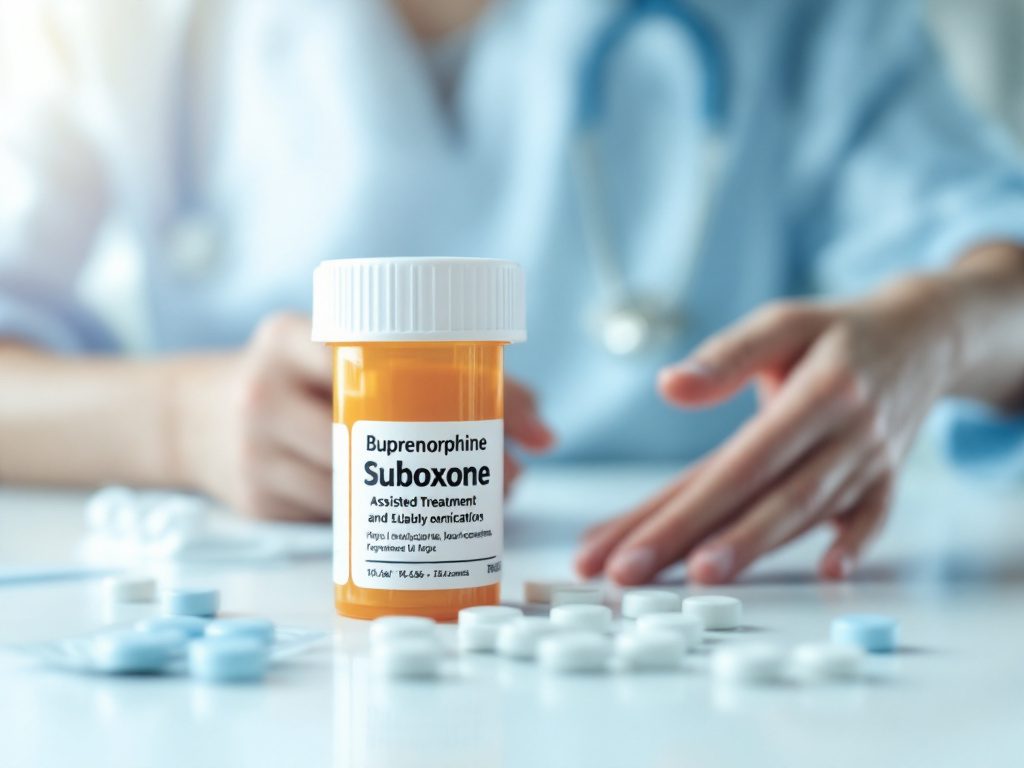
Medication assisted treatment program options can give you a safer, more stable path out of opioid dependence. Instead of trying to willpower your way through withdrawal and cravings, you work with medications like buprenorphine or Suboxone, combined with counseling and ongoing support. This approach is backed by extensive research and is recognized as a gold standard for opioid use disorder treatment in the United States [1].
In this guide, you will learn how a medication assisted treatment program works, what to expect from Suboxone and buprenorphine, how safety and monitoring are handled, and how you can take practical next steps toward care.
Understanding medication assisted treatment
Medication Assisted Treatment, often shortened to MAT, combines FDA approved medications with counseling and behavioral therapies to treat substance use disorders. For opioid use disorder, MAT uses specific medications that help stabilize brain chemistry, reduce cravings, and lessen withdrawal so that you can focus on rebuilding your life instead of constantly fighting symptoms.
According to the Substance Abuse and Mental Health Services Administration, MAT is a “whole person” approach that also addresses medical, mental health, family, legal, and vocational needs through monitoring, support, screening, referrals, and counseling [2]. In practice, this means your medication assisted treatment program looks beyond the opioid use itself and considers everything that affects your recovery.
For opioid use disorder, the three main FDA approved medications are buprenorphine, methadone, and naltrexone [1]. Many outpatient programs focus on buprenorphine and the buprenorphine and naloxone combination medication, better known by the brand name Suboxone. If you are looking for an office based or outpatient setting, a suboxone treatment program or buprenorphine treatment program is often the most accessible choice.
Why MAT is so important for opioid dependence
Opioid use disorder is not simply a matter of weak will or poor choices. Opioids change the way your brain works, which is why stopping on your own can feel nearly impossible. Untreated opioid dependence also carries very real risks. Overdose deaths have risen sharply in recent decades, and many people never receive the treatment they need [3].
Research shows that:
- Methadone and buprenorphine can cut the risk of fatal opioid overdose by about half compared with no medication treatment [4].
- Retention in MAT significantly reduces all cause and overdose mortality, while the risk of death rises sharply after stopping medication [3].
- Despite strong evidence, many people still do not receive medication as part of care. In 2022, only about one in four adults who needed opioid use disorder treatment actually received medications like buprenorphine, methadone, or naltrexone [5].
A well designed mat program for opioid addiction aims to close that treatment gap by providing safe, medically supervised access to medications that are proven to help.
How Suboxone and buprenorphine work
If you are specifically interested in Suboxone or buprenorphine, understanding how these medications work can help reduce fear and uncertainty.
Buprenorphine basics
Buprenorphine is a partial opioid agonist. That means it activates the same receptors in your brain that other opioids target, but only partially and in a controlled way. This partial activation:
- Reduces withdrawal symptoms
- Decreases cravings
- Has a ceiling effect, which lowers the risk of misuse and overdose compared to full opioids
Buprenorphine has been demonstrated to stabilize brain function, reduce cravings, and block withdrawal effects in people with opioid dependence [3]. It is one of the three FDA approved medications for opioid use disorder and is considered safe and effective when used as prescribed [6].
A buprenorphine for opioid use disorder program typically provides this medication in tablet or film form that dissolves under your tongue.
Suboxone and naloxone combination
Suboxone is a combination of buprenorphine and naloxone. Buprenorphine provides the stability and craving reduction. Naloxone is an opioid blocker included to lower the risk of misuse. When Suboxone is taken as directed under the tongue, naloxone has minimal effect. If someone attempts to inject it, naloxone can trigger withdrawal, which discourages misuse.
This structure makes a suboxone therapy program a strong option if you need effective symptom relief in a format that also prioritizes safety.
Why office based and outpatient options matter
Buprenorphine and Suboxone are especially important because they can be prescribed and dispensed in physician offices rather than only in specialized opioid treatment programs. This flexibility has significantly expanded access to medication assisted treatment [7].
If you are looking for care that fits into your daily life, an outpatient suboxone clinic or outpatient opioid addiction treatment program allows you to receive regular medication and counseling while continuing to meet work, school, or family responsibilities.
What to expect in a medically supervised MAT program
Starting a medication assisted treatment program may feel overwhelming at first. Knowing what to expect can make the process less stressful.
Comprehensive assessment and medical history
Your journey typically begins with a detailed medical and addiction assessment. This usually includes:
- Full substance use history, including types of opioids, amounts, and duration
- Medical and psychiatric history
- Current medications and allergies
- Physical examination and sometimes lab testing
Before starting MAT, most people undergo a thorough physician assessment to determine the most appropriate medication and plan. For many, the process begins with medical detox, followed by rehabilitative treatment and then transition into longer term medical maintenance therapy [8].
A medically supervised mat program uses this information to tailor your treatment so that it fits your health status and goals.
Induction and stabilization
Once you and your provider decide to use Suboxone or buprenorphine, you go through an induction phase. The timing is important. You usually need to be in at least mild withdrawal before your first dose so that the medication does not cause sudden worsening of symptoms.
During induction your team:
- Monitors your vital signs and withdrawal symptoms
- Adjusts your dose as needed over the first few days
- Watches for side effects or interactions with other medications
From there you move into stabilization. At this stage your dose is steady, cravings are reduced, and you begin to feel more physically and mentally stable. This is often when you are best able to benefit from counseling and behavioral therapies that are part of a suboxone and counseling program.
Ongoing monitoring and safety protocols
A careful medication assisted treatment program includes regular check ins and monitoring to protect your safety and support progress. This can involve:
- Follow up appointments to review symptoms, side effects, and goals
- Prescription monitoring to ensure the correct use of medication
- Periodic urine drug screens to help guide treatment decisions
- Coordination with mental health providers or primary care
Long term maintenance with buprenorphine or methadone has been shown to significantly reduce relapse and mortality, but the risk of overdose rises after treatment stops, especially with naltrexone due to loss of tolerance [9]. For this reason, any changes to your dose or plans to taper should be made gradually and under medical supervision.
If you are unsure how medication, monitoring, and counseling fit together, exploring how suboxone treatment works can give you a clearer picture of the full process.
Integrating counseling and behavioral therapies
Medication is only one part of the equation. A strong medication assisted treatment program combines Suboxone or buprenorphine with evidence based therapies that help you change patterns, build skills, and repair relationships.
Typical components include:
- Individual counseling to work through personal triggers, trauma, and life stressors
- Group therapy where you connect with others facing similar challenges
- Cognitive behavioral strategies to identify and change thoughts and behaviors that fuel use
- Support with mental health conditions such as depression or anxiety
MAT is designed as a whole person approach that addresses not only substance use but also vocational, medical, mental health, family, and legal issues through ongoing support and referrals [8]. By engaging fully with both medication and counseling, you give yourself a stronger foundation for lasting recovery.
A structured suboxone and counseling program or suboxone therapy program typically weaves these elements into your weekly schedule so that care remains manageable and consistent.
Common myths and concerns about MAT
You may have mixed feelings about starting a medication assisted treatment program. This is very common. It can help to look directly at some of the most frequent myths and worries.
“I am just trading one addiction for another”
Buprenorphine and Suboxone affect the same receptors as other opioids, but they function very differently in a treatment setting. Doses are carefully measured, there is a ceiling effect that limits euphoria, and you are monitored regularly. Treatment focuses on stability, safety, and recovery rather than intoxication.
Major organizations including the FDA and SAMHSA recognize these medications as safe and effective medical treatments for opioid use disorder, not simple substitutions [10].
“Real recovery means being completely medication free”
For many people, staying on medication long term is what keeps them alive and able to build a meaningful life. Long term maintenance may last several years or even indefinitely depending on your needs, and this is considered appropriate care [8].
The data is clear. Over 80 percent of methadone patients relapse within one year after stopping treatment, and mortality risk increases after medication is discontinued [3]. Recovery is about health, safety, and quality of life, not about whether you take a prescribed medication.
“MAT means I am weak or cannot do it on my own”
Opioid dependence is a medical condition that changes your brain and body. Using evidence based treatment is not a sign of weakness. It is a sign that you are taking your health seriously and choosing a safer path forward.
Federal agencies actively encourage primary care providers to treat opioid use disorder with medications in the same way they treat asthma or diabetes because it is a chronic condition that benefits from long term management [6].
If you want help but feel conflicted about medication, talking with a provider in a mat program for opioid addiction can help you sort out your options without pressure.
Duration of treatment and relapse prevention
No single timeline fits everyone. The length of your medication assisted treatment program depends on your history, health, environment, and goals.
Short term versus long term use
Some people use buprenorphine or Suboxone for months as they stabilize housing, employment, and mental health. Others remain on maintenance doses for many years or indefinitely. Research supports long term maintenance when it reduces overdose risk and supports functioning [11].
Tapering off medications is possible for some, but it should always be slow and closely supervised. The period right after stopping medication is a time of higher overdose risk, especially with full opioids or when tolerance has dropped [4].
Using MAT for relapse prevention
One of the strongest benefits of MAT is reduced risk of relapse. By calming the physical drive to use, medication gives you space to develop new habits and coping skills. Combining medication with therapy, peer support, and practical resources like housing or job assistance is one of the most effective strategies for opioid relapse prevention with mat.
If you have tried to quit in the past and found yourself pulled back into use, a structured opioid treatment with suboxone may give you the stability you did not have before.
Access, insurance, and low barrier care
Cost and access are common concerns. The good news is that many public and private health plans cover at least part of MAT services, including medications, office visits, and counseling.
Most health insurance plans, including those covered under the Mental Health Parity and Addiction Equity Act, are required to provide comparable coverage for mental health and substance use treatment, and by 2013 most state Medicaid programs covered methadone maintenance in outpatient settings [8]. Access is not perfect, and barriers still exist, but coverage has improved.
Many programs now intentionally use low barrier models of care. These models reduce unnecessary rules, shorten wait times, and provide culturally sensitive treatment to make it easier for you to start and stay in care [7].
If cost is a concern, an insurance covered suboxone treatment option can help you understand what your plan will pay for and what your out of pocket responsibilities are before you begin.
Key idea: Opioid use disorder is treatable, and MAT with Suboxone or buprenorphine is one of the most effective tools available to help you regain stability and reduce the risk of overdose.
Taking your next steps toward treatment
If you are considering a medication assisted treatment program, you do not have to map everything out perfectly before reaching out. The most important step is the first one.
Here is a simple way to move forward:
- Schedule an assessment. Contact a local provider or clinic and ask for an evaluation for MAT. You can mention your interest in a suboxone treatment program or buprenorphine treatment program.
- Discuss your options. During your appointment, talk openly about your opioid use, prior treatment attempts, medical history, and concerns about medication.
- Review safety and monitoring. Ask how the clinic handles induction, follow up visits, drug screening, and dose changes so you know what to expect from a medically supervised mat program.
- Start at a manageable pace. If you and your provider agree, you can start suboxone treatment or another MAT option with a plan that fits your schedule and responsibilities.
- Commit to counseling. Build regular therapy or group sessions into your week as part of an integrated suboxone and counseling program or outpatient opioid addiction treatment plan.
You have already taken an important step by learning more about your options. With appropriate medical care, counseling, and support, you can reduce withdrawal and cravings, lower your risk of overdose, and work toward a life that is not controlled by opioids.