Understanding dual diagnosis and why evidence matters
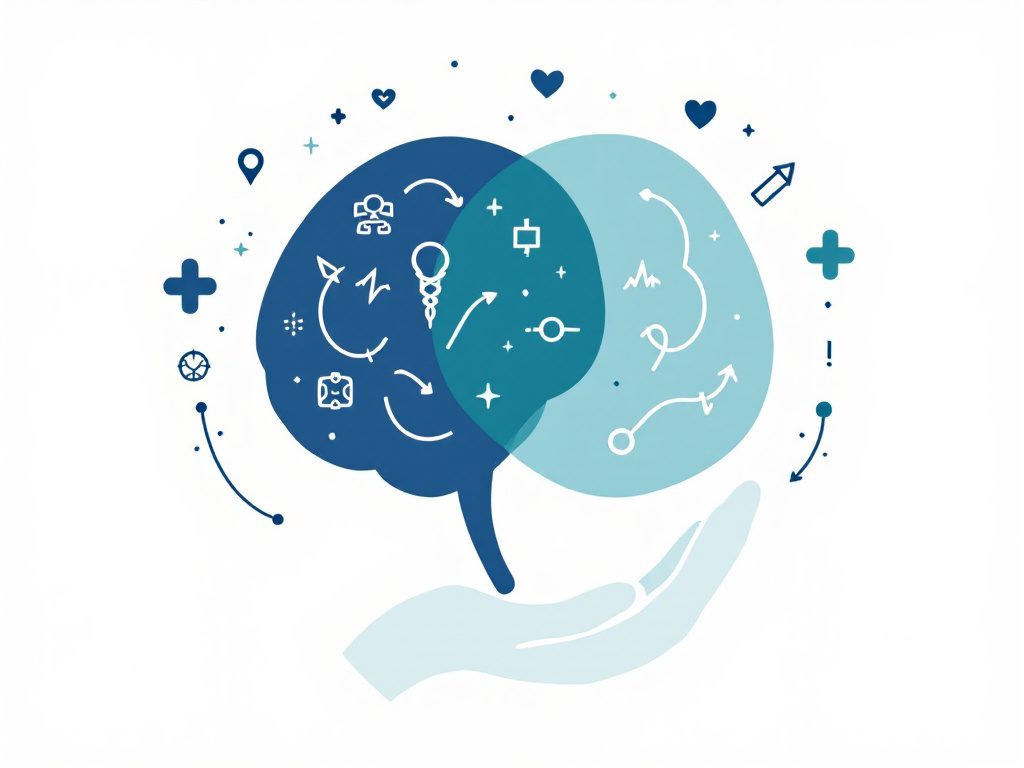
When you live with both a substance use disorder and a mental health condition, you are dealing with what professionals call a dual diagnosis or co occurring disorders. Evidence based dual diagnosis treatment is designed specifically for this combination. It relies on approaches that have been studied, tested, and shown to be effective for people who are managing both challenges at the same time.
If your addiction and mental health care have been addressed separately, you may already know how frustrating that can feel. One provider might focus only on substance use while another addresses depression, anxiety, trauma, or another condition. Without coordination, important information gets lost and your care can feel fragmented. Integrated, evidence based care brings these pieces together so you receive one coherent plan instead of competing recommendations.
Understanding what dual diagnosis means, and how an integrated model works, can help you decide whether a combined addiction and mental health treatment approach is the right step for you or your loved one.
What dual diagnosis really means
Dual diagnosis simply means you are experiencing both a substance use disorder and at least one mental health disorder. These conditions interact with each other in complex ways, which is why you benefit most from treatment that addresses both together.
Common dual diagnosis combinations include:
- Alcohol use disorder with depression
- Opioid, stimulant, or prescription drug misuse with anxiety disorders
- Trauma related conditions, such as PTSD, with alcohol or drug use
- Bipolar disorder and substance use
- Personality disorders with chronic substance misuse
In practice, this can look like drinking or using substances to manage panic attacks, increasing your use when depression deepens, or having mental health symptoms worsen when you try to cut back. A specialized co occurring disorder treatment program focuses on how these patterns feed each other and how to interrupt that cycle.
Risks of treating conditions separately
When mental health and addiction are treated in isolation, you are often asked to fit into systems that were not built for the complexity of dual diagnosis. This separation can create several problems that make long term recovery harder to sustain.
Conflicting treatment recommendations
If one provider is focused only on substance use and another is focused only on your mood or anxiety, they can unintentionally pull you in different directions. You might be prescribed medications without considering how they interact with cravings or triggers. You may be encouraged to attend support groups that are not equipped to address trauma or more severe mental health symptoms.
Without a unified plan, you are left to coordinate your own care and decide which provider to follow. That is a heavy responsibility when you are already carrying the weight of both addiction and mental health concerns.
Missed warning signs and relapse risks
Substance use often changes when mental health symptoms shift. Anxiety, depression, sleep problems, and stress can be early indicators that cravings are about to increase. When your care is split, no one is fully watching both sides at once, so warning signs may be missed.
Research shows that integrated treatment for co occurring disorders reduces relapse rates and improves overall functioning compared with separate care, in part because of more effective monitoring of both conditions together. When your providers communicate and share a plan, they can respond more quickly if symptoms return or new risks appear.
Increased shame and self blame
If you have ever heard, “We cannot treat your depression until you stop using” or “We cannot help with addiction because your mental health is too unstable,” you have experienced the impact of siloed care. These messages can increase shame and give the impression that you are too complicated or not ready.
Evidence based dual diagnosis treatment starts from a different place. It recognizes that substance use and mental health conditions are closely intertwined medical and psychological issues, not personal failures. This perspective can reduce self blame and help you engage in treatment with more hope and clarity.
What makes treatment “evidence based”
Evidence based care is more than a phrase. It means your treatment is grounded in approaches that have been carefully studied, evaluated, and shown to work for people who have similar challenges to yours.
According to organizations such as the Substance Abuse and Mental Health Services Administration (SAMHSA) and the National Institute on Drug Abuse (NIDA), evidence based practices are those that have demonstrated measurable benefits in peer reviewed research, including improved abstinence, reduced symptoms, and better quality of life. These approaches are continually updated as new data emerges, which helps keep your care aligned with current best practices.
In the context of dual diagnosis, evidence based treatment typically involves:
- Structured, research supported therapies
- Medication management that is guided by clinical data and safety standards
- Integrated treatment planning that coordinates across addiction and mental health needs
- Ongoing measurement of your progress, so your plan can be adjusted as needed
When you participate in a dual diagnosis treatment program that emphasizes evidence based care, you are not relying on guesswork. Instead, your recovery plan is drawn from methods that have helped many others facing similar combinations of mental health and substance use concerns.
Core components of evidence based dual diagnosis treatment
An effective, integrated program combines several elements into one coordinated approach. Each component plays a specific role in helping you stabilize, understand your patterns, and build sustainable change.
Comprehensive assessment and diagnosis
An accurate picture of your needs is the foundation of effective care. A comprehensive dual diagnosis assessment generally includes:
- A detailed history of your substance use, including patterns, consequences, and past attempts to cut back
- Screening and evaluation for depression, anxiety, trauma, bipolar disorder, psychosis, and other mental health conditions
- A review of your medical history, medications, and any prior hospitalizations or treatments
- Exploration of family history, relationships, work or school stressors, and legal or financial concerns
This process helps your team distinguish between symptoms caused by substances and those rooted in underlying mental health conditions. It also guides decisions about the level of care you need, the types of therapy that are likely to be most helpful, and whether certain medications are appropriate.
Integrated outpatient dual diagnosis care
For many adults, integrated outpatient care is a practical and effective way to engage in dual diagnosis treatment while maintaining daily responsibilities. An integrated outpatient dual diagnosis program brings together addiction specialists, mental health clinicians, and, when needed, medical providers under one coordinated plan.
In this model, you might attend therapy sessions several times a week, participate in group work focused on both mental health and substance use, and meet regularly with a prescriber for medication management. Communication between your providers is built into the structure of the program, which reduces the burden on you to connect the dots.
Outpatient care can be especially helpful if you:
- Have a stable home environment
- Are able to attend regular appointments
- Need flexibility to continue working, parenting, or attending school
If your symptoms are more severe or your safety is at higher risk, you might step into a higher level of care first, then transition into a dual diagnosis outpatient rehab program as you stabilize.
Coordinated therapy for co occurring disorders
Evidence based dual diagnosis treatment relies heavily on structured psychotherapies that have been shown to address both addiction and mental health symptoms. A dual diagnosis counseling program typically uses approaches such as:
- Cognitive Behavioral Therapy, which helps you identify connections between thoughts, feelings, and behaviors, then practice new ways of responding
- Dialectical Behavior Therapy skills, which focus on emotion regulation, distress tolerance, interpersonal effectiveness, and mindfulness
- Motivational Interviewing, which supports you in exploring ambivalence about change and strengthening your commitment to your own goals
- Trauma informed therapies, especially when past experiences continue to drive current substance use or emotional distress
In an integrated setting, substance abuse and mental health therapy is not separated. You are encouraged to talk openly about how cravings affect your mood, how anxiety or depression show up in your relationships, and how all of this influences your choices. This combination helps you see patterns more clearly and develop strategies that address the full picture.
Medication management and safety
For many people with dual diagnosis, medication is one important part of treatment. This may include medications that:
- Stabilize mood or reduce symptoms of depression, anxiety, or psychosis
- Decrease cravings or block the effects of specific substances
- Support sleep or other physical symptoms that have been impacted by long term use
Evidence based programs follow established guidelines for prescribing, monitoring, and adjusting medications in the context of both addiction and mental health. You and your prescriber discuss potential benefits, side effects, and timing, and you are encouraged to share your experience so your plan remains responsive.
Medication is rarely the only solution, but when combined with therapy and strong support, it can significantly improve your ability to participate in treatment and maintain progress.
Addressing specific dual diagnosis combinations
Your experience of dual diagnosis is unique, yet some patterns are common. Programs that specialize in integrated care tailor their services to the specific conditions you are managing.
Treatment for depression and addiction
When depression and substance use occur together, they tend to increase each other. You might drink or use to briefly escape sadness or hopelessness, then feel more depleted and ashamed afterward.
A focused treatment for depression and addiction plan typically includes:
- Therapies that target negative thought patterns, beliefs about yourself, and the ways depression shapes your behavior
- Strategies for managing low motivation and energy, so you can still follow through on recovery activities
- Careful selection of antidepressant medications, when appropriate, with attention to how they interact with cravings and mood shifts
By addressing both conditions in the same setting, you are not asked to be “fully sober” before anyone will take your depression seriously, and your low mood is not dismissed as “just withdrawal.”
Anxiety and addiction treatment
Anxiety can make daily life feel unpredictable and exhausting. Many people begin using substances in an attempt to calm their body or quiet racing thoughts. Over time, this can lead to dependence and increased anxiety between episodes of use.
An anxiety and addiction treatment program focuses on:
- Teaching practical skills for managing panic, worry, and physical symptoms without relying on substances
- Looking at situations, thoughts, and beliefs that trigger both anxiety and cravings
- Considering medications that reduce anxiety without increasing the risk of misuse
This combined approach can reduce the fear that you must choose between feeling anxious or feeling out of control with substances. Instead, you learn ways to stay present with anxiety as it changes and passes, while building a relationship with recovery that feels more stable.
Relapse prevention in dual diagnosis recovery
For people with co occurring disorders, relapse prevention involves more than staying away from substances. It also means recognizing early changes in your mental health and responding before they lead to a return to use.
In an integrated mental health and addiction recovery program, relapse prevention planning usually includes:
- Identifying patterns and warning signs in both your substance use and mental health symptoms
- Creating specific steps to take when you notice those signs, such as contacting your therapist, adjusting your schedule, or reaching out to support
- Developing coping skills that help you tolerate discomfort without automatically turning to substances
- Clarifying what you want your life in recovery to look like, so daily choices are connected to meaningful goals
Relapse is sometimes part of the process, not a sign that treatment has failed. Evidence based programs treat relapse as information. Your team works with you to understand what happened, adjust your plan, and continue moving forward.
Recovery from dual diagnosis is not a single event. It is a series of decisions, skills, and supports that grow over time as both your mental health and substance use patterns change.
The role of outpatient care in long term recovery
Sustainable recovery from dual diagnosis often involves ongoing support. Even after more intensive treatment, many people benefit from continued outpatient services, peer support, or periodic check ins to maintain stability.
A dual diagnosis outpatient rehab can provide:
- Step down care after residential or intensive programs
- Continued therapy focused on integrating skills into everyday life
- Ongoing medication management and monitoring
- Support for returning to work, rebuilding relationships, and handling new stressors
Because outpatient care is woven into your daily routine, it can be a bridge between structured treatment and fully independent living. This continuity reduces the abrupt shift that sometimes follows discharge from higher levels of care.
Getting started with evidence based dual diagnosis treatment
If you are considering integrated treatment, you may be wondering what the first steps will look like and how to prepare. Starting can feel overwhelming, but the process is usually more straightforward than it appears.
You can expect early steps to include:
- An initial phone or in person consultation to discuss your history, current concerns, and goals
- Scheduling a full assessment, often including medical, mental health, and substance use evaluations
- A collaborative review of your results, followed by recommendations for level of care, therapy approaches, and medication options, if appropriate
- Development of a written treatment plan, with clear goals and time frames
Throughout this process, you are encouraged to ask questions, share what has and has not helped in past treatments, and express any concerns you have about privacy, scheduling, or commitment. Programs that prioritize evidence based care aim to work with you, not simply apply a predetermined formula.
If finances or coverage are a concern, an insurance covered dual diagnosis program can help you understand what services your plan includes, what your out of pocket costs might be, and whether payment options are available.
When you are ready to take a more active step, you can start dual diagnosis treatment by connecting with a team that specializes in integrated care. With coordinated support, it becomes possible to address your mental health and substance use together, reduce the risk of relapse, and move toward a more stable and meaningful life.