Understanding what a Suboxone treatment program really is
If you are exploring a Suboxone treatment program, you are probably weighing two big concerns at the same time: getting relief from withdrawal and cravings, and making sure you are choosing something safe and effective for long‑term recovery.
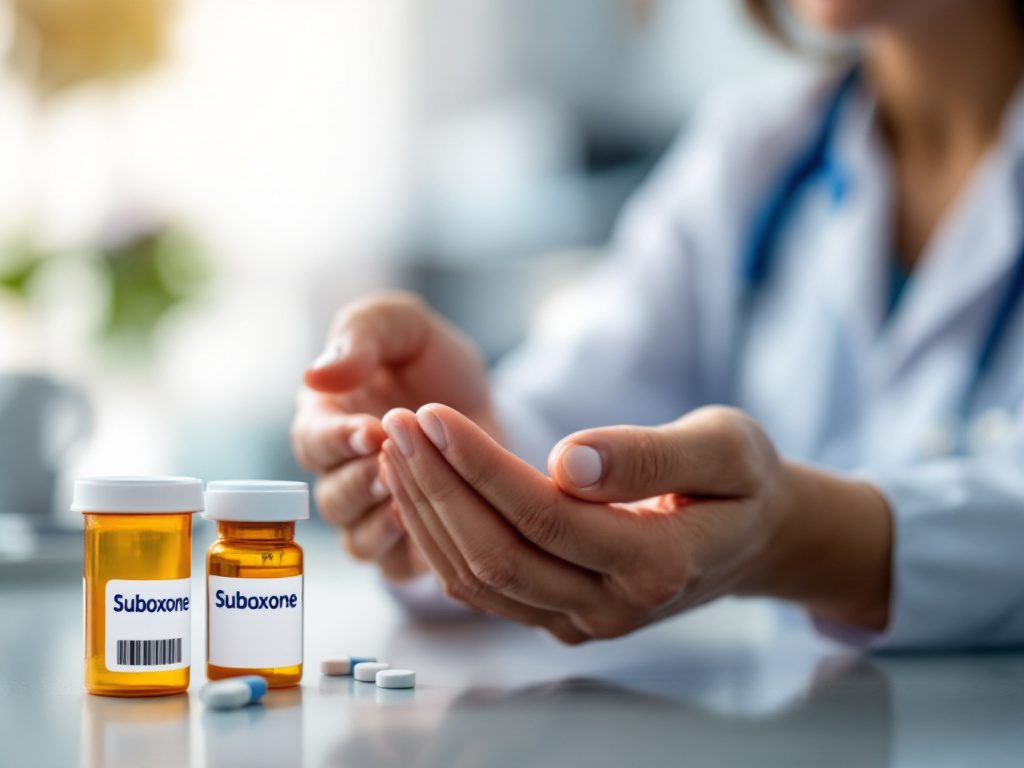
Suboxone treatment is a form of medication assisted treatment, or MAT, that uses a combination of buprenorphine and naloxone to treat opioid use disorder. This approach is designed to reduce cravings, ease withdrawal, and lower your risk of relapse without creating the intense high you may have experienced with other opioids [1].
A high quality suboxone treatment program gives you more than a prescription. It provides medical supervision, structured monitoring, and counseling support so that you can stabilize, rebuild daily life, and work on the reasons opioid use took hold in the first place.
If you want a broader view of MAT options, you can also explore how a buprenorphine treatment program or a full medication assisted treatment program might fit your needs.
How Suboxone works in your body
Suboxone is a combination of two medications that each play a different role in treatment. Understanding how they work can help you feel more confident about what you are putting into your body.
Buprenorphine: Partial agonist that stabilizes
Buprenorphine is the primary component of Suboxone. It is known as a partial opioid agonist, which means it attaches to the same opioid receptors in your brain as drugs like heroin or prescription painkillers, but it only partially activates them.
This partial activation provides enough effect to:
- Reduce or prevent withdrawal symptoms
- Significantly decrease cravings
- Provide a sense of stability without intoxication or heavy sedation
Because it is a partial agonist, buprenorphine has a ceiling effect. Beyond a certain dose, taking more does not increase the opioid effect. This feature helps protect you from overdose and makes buprenorphine safer than full opioid agonists when used as directed [1].
Buprenorphine also has a long half‑life, usually in the range of 24 to 42 hours. As a result, the effects of Suboxone typically last around 24 to 48 hours, which allows for convenient once daily dosing in most treatment plans [1].
Naloxone: Safeguard against misuse
Naloxone is an opioid antagonist. Its role is not to treat cravings directly, but to discourage misuse. In Suboxone, naloxone is included at a low dose and is mostly inactive when you use the medication exactly as prescribed, dissolved under your tongue or inside your cheek.
If someone attempts to inject or misuse Suboxone, naloxone can block the effects of other opioids and may trigger withdrawal. This protective design helps reduce the likelihood of the medication being diverted or misused [1].
For a deeper dive into this medication, you can read more about buprenorphine for opioid use disorder and how Suboxone treatment works.
Phases of a Suboxone treatment program
A well structured suboxone treatment program does not move you from crisis to stability in a single step. Instead, it follows defined phases that focus on safety first, then stabilization, and finally long term recovery.
Initial assessment and medical evaluation
Your first step is a comprehensive assessment. This typically includes:
- Your substance use history, including types of opioids, amounts, and duration
- Past treatment attempts, including detox, rehab, or prior MAT
- Mental health symptoms such as depression, anxiety, or trauma history
- Medical conditions and current medications
- Social factors, such as work, housing, family responsibilities, and legal issues
This evaluation helps your provider determine whether a suboxone treatment program is the right fit for you, or whether another mat program for opioid addiction is more appropriate. It also guides dosing and safety planning.
Induction: Starting Suboxone safely
The induction phase is when you first start taking Suboxone. This is a critical period because if you take Suboxone too soon after using other opioids, you can experience precipitated withdrawal, which is a sudden and intense onset of withdrawal symptoms.
To avoid this, your provider will ask you to:
- Stop using short‑acting opioids for a specific number of hours, usually until you are in at least mild to moderate withdrawal.
- Come in for your first monitored dose, often in a clinic or office setting.
- Be observed as the medication begins to work, with dose adjustments as needed.
In many programs, this process happens in an outpatient Suboxone clinic so you can remain at home and still have medical oversight. Medical teams at programs like Cedar Recovery emphasize careful induction protocols to reduce withdrawal and improve comfort [1].
Stabilization: Finding the right dose
After induction, your provider will work with you to find the lowest effective dose that:
- Keeps withdrawal symptoms controlled over a full 24 hour period
- Reduces cravings to a manageable level
- Allows you to function at work, home, or school without feeling sedated
Research from outpatient programs suggests that the average Suboxone dosage is around 16 mg daily, although some people may require up to 24 mg per day to control cravings and withdrawal [2]. Your dose will be individualized based on how you respond.
This stabilization phase can take several weeks. During this time, you are also encouraged to begin counseling, group sessions, or a suboxone and counseling program to start working on coping skills and relapse prevention.
Maintenance: Supporting long term recovery
In the maintenance phase, your dose is generally steady and your life outside of opioids becomes more stable. Here, the focus of your suboxone treatment program shifts to:
- Strengthening relapse prevention strategies
- Managing mental health issues
- Repairing relationships and rebuilding trust
- Addressing work, legal, or financial stressors
There is no one‑size‑fits‑all answer to how long you should stay on Suboxone. Some people remain in treatment for several months, while others continue for a year or longer if the medication is helping them maintain a stable and healthy life [2].
Many clinicians view long term use, often six months to one year or longer, as safe and beneficial when monitored properly, especially when the alternative is a high risk of relapse [2].
Safety protocols you should never ignore
Suboxone is considered safer than many other opioid treatments, but it is still a controlled substance and needs to be used under close medical supervision. Understanding key safety practices can help you use this medication with confidence.
Medical monitoring and office based care
Suboxone is FDA approved as an oral film treatment for opioid dependence and is classified as a Schedule III controlled substance, which means it carries some risk of physical and psychological dependence but also has accepted medical use [3]. Providers must complete special federal training and obtain certification before they can prescribe Suboxone for opioid use disorder [3].
Office based opioid treatment, sometimes called OBOT, allows you to receive Suboxone in a confidential outpatient setting instead of a daily clinic visit. Programs like the Suboxone Program at Weill Cornell Medical College in New York City offer individualized treatment plans, initial dosing, stabilization, and maintenance in a private office environment. Prescriptions can often be provided monthly, and ongoing care may be continued by community certified physicians [4].
A strong suboxone treatment program will provide:
- Regular follow up appointments to review symptoms and cravings
- Urine drug screens or other monitoring tools
- Adjustments to dosing if you experience side effects or breakthrough cravings
- Education on medication safety, storage, and interactions
If you prefer a structured but flexible format, a medically supervised MAT program or outpatient opioid addiction treatment can provide frequent contact without requiring you to live in a facility.
Managing dependence and tapering off
Staying on Suboxone for months or years can lead to physical dependence. Dependence means your body has adapted to the medication, which is different from addiction. Addiction involves compulsive use despite harm, while dependence is a predictable medical response.
If you suddenly stop Suboxone, you may experience withdrawal. Symptoms often peak around days three to four and can last up to two weeks in some people [3]. This is why tapering off must be done gradually, with careful dose reductions over weeks or months, and weekly monitoring by your provider to lower your relapse risk [2].
Even after you fully taper off, follow up visits and periodic check ins help make sure you have the support and relapse prevention strategies you need.
Combining Suboxone with other substances
Your provider should review all medications and substances you are taking before induction. You should always let your team know if you use:
- Benzodiazepines or sedatives
- Alcohol
- Sleep medications
- Other opioids prescribed for pain
The combination of Suboxone with other depressants can increase the risk of breathing problems or oversedation. Clear communication with your medical team is essential to keep treatment safe.
Why counseling and MAT work better together
Medication is a powerful tool for stabilizing your brain chemistry, but it does not automatically address trauma, stress, grief, or relationship issues. That is where counseling comes in. Evidence based programs consistently show that when Suboxone is combined with therapy, outcomes improve.
Addressing the “why” behind opioid use
Therapy helps you explore questions like:
- What first led you to use opioids?
- How do you cope with stress, conflict, or painful emotions now?
- What patterns in your relationships or environment keep pulling you back toward use?
Approaches such as cognitive behavioral therapy focus on identifying and changing negative thought patterns and behaviors that contribute to substance use. Programs like Cedar Recovery integrate individual and group counseling, as well as telehealth and intensive outpatient options, into their Suboxone treatment process [1].
Participating in a suboxone therapy program or a broader suboxone and counseling program gives you a space to build new skills while your medication keeps cravings manageable.
Building a relapse prevention plan
Relapse prevention is not only about willpower. It is about having a concrete plan for:
- Recognizing early warning signs and triggers
- Creating a support network you can reach out to quickly
- Having strategies to manage pain, insomnia, anxiety, or depression without misusing opioids
- Planning for high risk situations such as medical procedures or major life stressors
Medication assisted approaches like Suboxone treatment, buprenorphine programs, and other MAT options are effective tools for opioid relapse prevention with MAT. Suboxone specifically has been recommended by SAMHSA for both induction and maintenance phases of treatment and has shown effectiveness similar to buprenorphine alone, and better outcomes than naltrexone for reducing opioid use. Methadone may keep people in treatment longer, but it also usually requires daily clinic visits [3].
Myths about Suboxone treatment you should question
When you look into a suboxone treatment program, you may hear conflicting messages from friends, online forums, or even other providers. Some of these messages are based on myths or misunderstandings.
Medication assisted treatment is not “substituting one addiction for another.” It is a medically supervised, evidence based approach that helps stabilize brain chemistry so that you can focus on rebuilding your life.
Myth 1: “You are not really clean if you take Suboxone”
Fact: Suboxone is an FDA approved treatment for opioid dependence that helps reduce withdrawal symptoms and cravings while keeping you engaged in treatment for 24 weeks or longer [3]. Recovery is about improving your health and functioning, not about whether you are taking a prescribed medication.
For many people, taking a daily Suboxone dose while working, parenting, or going to school is a sign of recovery, not failure.
Myth 2: “You should get off Suboxone as fast as possible”
Fact: For some people, tapering too quickly significantly raises their risk of relapse. There is no universal “right” timeline. Some people stay on Suboxone for a few months, while others benefit from one year or longer of treatment [2].
You and your provider should make tapering decisions together, based on your stability, mental health, and support system, not on pressure or stigma.
Myth 3: “Suboxone is just as dangerous as other opioids”
Fact: Suboxone is a partial agonist with a ceiling effect, which lowers overdose risk when taken as prescribed. Programs like Weill Cornell’s Suboxone Program emphasize that opioid addiction is a medical condition that can be treated safely in office based settings, without the need for daily clinic visits [4].
While no opioid medication is completely risk free, the safety profile of Suboxone under medical supervision is significantly better than continued use of illicit or misused prescription opioids.
Comparing Suboxone to other treatment options
When you decide how to move forward, it helps to understand how a suboxone treatment program fits within the wider MAT landscape.
| Treatment option | Setting | Key features | Considerations |
|---|---|---|---|
| Suboxone (buprenorphine/naloxone) | Office based or outpatient | Once daily dosing, reduced cravings, lower overdose risk, combined with counseling | Requires certified prescriber, potential for dependence and withdrawal if stopped abruptly |
| Buprenorphine alone | Office based or outpatient | Similar clinical effect without naloxone component | Slightly higher potential for misuse in some settings |
| Methadone | Specialized clinics | Strong craving control, structured daily contact | Daily visits, higher overdose risk if misused |
| Naltrexone | Office based or outpatient | Non opioid, blocks opioid effects | Requires full detox first, adherence can be challenging |
Suboxone is often chosen because it balances safety, convenience, and effectiveness, especially when integrated into a medically supervised MAT program or outpatient opioid addiction treatment.
If you are unsure where to start, reading more about opioid treatment with Suboxone can help you understand how this option compares to other pathways.
Practical steps to start a Suboxone program
Knowing the facts is important, but you also need a clear way to move from research into action. If you are ready to explore treatment, here are concrete steps you can take.
1. Schedule an assessment
Begin with a comprehensive evaluation through a clinic that offers a structured suboxone treatment program or another form of medication assisted treatment program. Ask about:
- Whether they provide Suboxone, buprenorphine, or multiple MAT options
- Their approach to counseling and support services
- How often you will be seen in the first few weeks
- Whether they help coordinate medical and mental health care
Many programs, such as Cedar Recovery, also offer telehealth visits, mobile clinics, and intensive outpatient programs so that you can access care without major disruptions to work or family life [1].
2. Discuss insurance and payment
Before induction, talk with the billing team about coverage and out‑of‑pocket costs. Some clinics assist with insurance covered Suboxone treatment and can explain what your plan includes.
Programs like the Weill Cornell Suboxone Program, for example, require payment in full at each visit and accept major credit and debit cards, while other centers may work directly with insurers or offer sliding scale fees [4]. Understanding the financial side reduces stress and helps you stay engaged in care.
3. Prepare for induction day
Work with your provider to plan your first dose. You may be asked to:
- Arrive in mild to moderate withdrawal
- Arrange transportation if you are concerned about how you will feel afterward
- Set aside the rest of the day to rest, hydrate, and give your body time to adjust
If you are starting in an outpatient Suboxone clinic, your provider will monitor you, adjust dosing, and answer questions in real time, which can ease anxiety about the process.
4. Commit to counseling and follow up
Once you start Suboxone treatment, plan to attend regular follow up appointments and therapy sessions. A combined Suboxone therapy program provides the structure and accountability that support long term change.
Engaging fully with both medication and counseling is one of the most effective ways to protect your progress and lower your risk of relapse over time.
Moving forward with informed confidence
You do not have to choose between suffering through withdrawal or risking another relapse. A carefully managed suboxone treatment program can give you a safer path forward, one that stabilizes your body, supports your mind, and respects your daily responsibilities.
By understanding how Suboxone works, what the phases of treatment look like, and how medical supervision and counseling work together, you can make a decision that fits your life rather than trying to fit your life around addiction.
When you are ready, consider reaching out to a provider who offers a medically supervised MAT program or specialized opioid treatment with Suboxone. With the right support, you can move from just coping day to day to building a sustainable recovery that lasts.