Understanding insurance covered Suboxone treatment
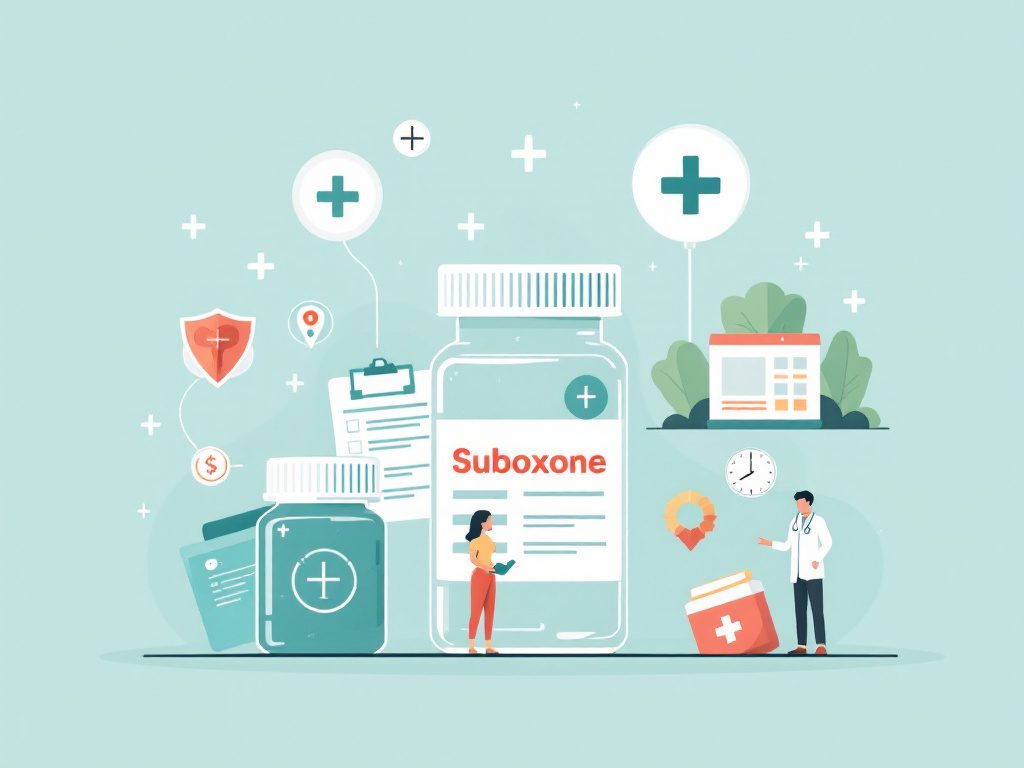
If you are exploring insurance covered Suboxone treatment, you are likely balancing two major concerns: finding safe, effective help for opioid dependence and making sure you can actually afford it. Suboxone, a combination of buprenorphine and naloxone, is an evidence based medication that can reduce cravings, ease withdrawal, and support long term recovery when used as part of a structured treatment plan.
When Suboxone is included in your health insurance benefits, it can significantly lower the cost of care. However, figuring out what is covered, what requires prior authorization, and what your out of pocket costs might be can feel confusing when you are already under stress.
Insurance covered Suboxone treatment is usually delivered through a comprehensive suboxone treatment program or buprenorphine treatment program. These programs typically combine medication management, counseling, and regular monitoring so you are not navigating recovery alone.
How Suboxone and MAT support recovery
Medication assisted treatment, often shortened to MAT, is a therapeutic approach that combines FDA approved medications like Suboxone with counseling and behavioral health support. Instead of forcing you to go “cold turkey,” MAT helps you stabilize physically so you can focus on rebuilding your life.
How Suboxone works in your body
Suboxone contains buprenorphine, a partial opioid agonist, and naloxone, an opioid antagonist. Buprenorphine attaches to the same receptors in your brain that other opioids act on, but it does so in a controlled, “ceiling effect” way. That means:
- It reduces withdrawal symptoms and cravings
- It provides enough receptor activity to help you feel normal, not high
- It has a limit to its effect, which lowers the risk of misuse and overdose compared to full opioids
Naloxone is added primarily as a safeguard. When taken under the tongue or as prescribed, naloxone has very little effect. If someone tries to inject Suboxone to get high, naloxone blocks opioid receptors and can trigger withdrawal instead.
You can learn more about this process by exploring how suboxone treatment works.
MAT is more than just medication
While Suboxone plays a central role, a strong medication assisted treatment program also addresses the psychological, social, and behavioral sides of opioid use disorder. You might work with:
- A prescribing provider who adjusts dosing and monitors your progress
- Counselors or therapists who help you manage triggers, stress, and mental health symptoms
- Case managers who assist with practical needs like work, transportation, or childcare
Over time, a structured mat program for opioid addiction helps you build healthier routines, safer coping strategies, and a realistic plan for long term stability.
Common myths about Suboxone and insurance
As you look into insurance covered Suboxone treatment, you might run into myths that can delay or discourage you from getting help. Clearing these up can make it easier to move forward with confidence.
“Suboxone is just replacing one addiction with another”
Suboxone is a clinically supervised medication, not a street drug. Research consistently shows that MAT with buprenorphine improves survival, reduces overdoses, and increases time in recovery when compared to non medication approaches [1].
The goal of opioid treatment with Suboxone is not to trade one dependency for another. Instead, it aims to:
- Stabilize your brain chemistry
- Reduce the rollercoaster of intoxication and withdrawal
- Create the mental space needed for therapy and lifestyle changes
You and your provider work together to set goals, adjust your dose, and decide how long you will remain on medication.
“Insurance will not pay for Suboxone”
Many commercial plans, Medicaid programs, and Medicare Advantage plans cover Suboxone and other forms of buprenorphine for opioid use disorder. Coverage varies by plan, but in many cases:
- The medication itself is listed on the formulary
- Office visits with a qualified prescriber are covered
- Required counseling sessions are included as behavioral health benefits
You may see requirements like prior authorization, step therapy, or quantity limits. These can be frustrating, but they do not automatically mean treatment is out of reach. Your provider’s office or clinic staff can usually help you navigate these steps.
“You have to be in treatment forever”
There is no one size fits all timeline for MAT. Some people use Suboxone short term to move through withdrawal and early stabilization. Others benefit from longer term maintenance to prevent relapse.
What matters most is that you and your care team make decisions based on your health, your risks, and your goals, rather than a rigid deadline. A gradual, medically supervised taper is often safer and more comfortable than stopping suddenly.
Types of insurance covered Suboxone programs
When you start looking for treatment, you will find a range of settings where insurance covered Suboxone treatment is offered. Choosing the right one depends on your medical needs, home environment, transportation, and work or family responsibilities.
Outpatient Suboxone clinics
A dedicated outpatient Suboxone clinic provides treatment while you continue to live at home. You attend scheduled appointments for:
- Medical evaluations and dose adjustments
- Prescription refills and monitoring
- Counseling sessions or referrals for therapy
Outpatient care works well if you have a relatively stable living situation and can safely manage your medication at home. Over time, appointments may become less frequent as you maintain stability.
Integrated Suboxone and counseling programs
Some clinics offer a structured Suboxone and counseling program, where medication and therapy are delivered in a coordinated way. In this setting, you might:
- See your prescriber and therapist in the same building or network
- Follow a clear treatment schedule with individual and group sessions
- Receive additional services like relapse prevention education, family support, or case management
Integrated care can make it easier to stay organized, meet insurance requirements, and build a consistent recovery routine.
Broader outpatient addiction treatment programs
Suboxone can also be part of a more comprehensive outpatient opioid addiction treatment plan. These programs may offer:
- Multiple group therapy options each week
- Psychiatric support for co occurring conditions like anxiety or depression
- Skills based groups focused on relapse prevention, coping skills, and life planning
In many of these settings, Suboxone is one component of a broader Suboxone therapy program designed to support every aspect of your recovery.
How to check your insurance coverage for Suboxone
Before you enroll in a program, it is useful to understand how your insurance handles Suboxone and related services. This can help you avoid surprise bills and plan for any remaining costs.
Steps to verify your benefits
You can usually get clear information about coverage by taking a few organized steps:
- Call the member services number on your insurance card
- Ask if your plan covers buprenorphine or Suboxone for opioid use disorder
- Confirm whether you need prior authorization for medication or visits
- Ask about copays or coinsurance for office visits and prescriptions
- Check if there is a preferred pharmacy network you must use
You can also ask your chosen clinic to verify your benefits on your behalf. Many offices do this as part of the intake process and can explain, in plain language, what you can expect to pay.
In network vs out of network providers
Your plan will typically pay more when you see an in network provider. When you are choosing a clinic, it can be helpful to ask:
- Do you accept my insurance plan as in network?
- Are there separate networks for medical visits and behavioral health services?
- Will I need referrals from a primary care provider?
If a preferred provider is out of network, you can still ask whether your plan offers any reimbursement for those services. In some situations, paying a bit more to see a specialized provider may be worthwhile, but it is important to understand the tradeoffs in advance.
What to expect when you start Suboxone treatment
Beginning Suboxone can feel like a big step, especially if you have tried to stop using opioids in the past without support. Knowing what usually happens in the first days and weeks can make the process less overwhelming.
Initial assessment and planning
Whether you enter a focused Suboxone treatment program or a broader medically supervised MAT program, your first visit usually includes:
- A detailed medical and substance use history
- A review of your current medications and any co occurring conditions
- Lab work or urine drug screening as appropriate
- A conversation about your goals, concerns, and past treatment experiences
Together with your provider, you will create a plan that outlines your starting dose, timing of induction, follow up visits, and recommended counseling or group supports.
Induction and stabilization
You typically begin Suboxone when you are in at least mild to moderate withdrawal. This timing is important. If you take the medication too soon after using a full opioid, it can trigger what is called precipitated withdrawal.
During induction, your provider will:
- Start with a low to moderate dose
- Monitor how you respond over several hours or days
- Adjust the dose to relieve withdrawal and cravings without over sedation
The stabilization phase follows induction and usually lasts several weeks. During this time, your dose is fine tuned and you begin to re establish daily routines. You may have more frequent visits early on, then gradually space them out as your condition stabilizes.
Integration with counseling and support
Medication addresses the physical side of opioid dependence, but counseling and support help you address why you used in the first place and how to stay grounded in recovery. Within a Suboxone and counseling program, you might:
- Work individually with a therapist
- Join group sessions with others who are also using MAT
- Learn skills for managing cravings, stress, and conflict
- Explore family or couples counseling, if appropriate
This combined approach is closely linked to better outcomes and stronger opioid relapse prevention with MAT.
Safety, monitoring, and responsible use
When you participate in an insurance covered Suboxone treatment plan, safety is a central focus. Your provider’s role is not just to prescribe medication, but to help you use it in a way that truly supports your recovery.
Medical monitoring and follow up
Regular check ins allow your team to:
- Track your response to medication
- Adjust dosing if you experience side effects or ongoing cravings
- Screen for other mental health needs such as depression, anxiety, or trauma
- Review any interactions with other medications you may be taking
Monitoring might include periodic urine drug screens. Although this can feel uncomfortable, it is generally used to guide treatment decisions and keep you safe, not to punish you.
Safe storage and use
Suboxone should always be taken exactly as prescribed. Your provider will review important safety steps with you, including:
- Storing medication securely away from children, teens, and pets
- Avoiding sharing or selling your medication under any circumstances
- Not mixing Suboxone with alcohol, sedatives, or non prescribed benzodiazepines
If you have questions or if something in your life changes, such as a new prescription or health condition, let your provider know as soon as possible so your plan can be adjusted.
Duration of treatment and tapering
You might wonder how long you will need to remain on Suboxone. The honest answer is that it depends on your history, your risks, and your goals.
Short term vs long term treatment
Some people use Suboxone for a relatively short period, especially if their opioid use has been brief and they have strong natural supports. In this case, the focus is on stabilizing through withdrawal, building coping tools, and then transitioning off medication under supervision.
For others, longer term maintenance is associated with better outcomes. If you have had multiple relapses, a long history of opioid use, or significant medical or mental health complications, maintaining buprenorphine for a longer period can lower the risk of overdose and promote sustained recovery.
Planning a taper
If you decide with your provider that tapering is right for you, it should be done gradually and thoughtfully. A slow taper allows your brain and body to adjust at each step and gives you space to respond to any emerging symptoms.
During a taper, continued counseling and support are especially important. If cravings or other challenges intensify, you and your provider can pause the taper, return to a previous dose, or adjust your overall plan.
How buprenorphine compares with other MAT options
Buprenorphine, the primary ingredient in Suboxone, is one of several medications used to treat opioid use disorder. When you begin care in a buprenorphine treatment program, your provider may also discuss other options to ensure you are making an informed choice.
In general:
- Buprenorphine can often be prescribed in an office based setting, which makes it more accessible for many people
- It has a favorable safety profile due to its ceiling effect on respiratory depression
- It can be combined effectively with counseling in both intensive and standard outpatient settings
Your history, previous treatment attempts, and personal preferences all play a role in selecting the best medication for you.
Taking your next step with confidence
Reaching the point where you are seriously considering insurance covered Suboxone treatment is an important milestone. It means you are actively looking for safer ways to live, and you are open to support.
To move forward, you can:
- Contact your insurance provider to confirm coverage for Suboxone, buprenorphine, and related visits
- Reach out to a local outpatient Suboxone clinic or Suboxone therapy program and ask about assessment appointments
- Schedule an evaluation to start Suboxone treatment and discuss whether a medically supervised MAT program is right for you
With a structured MAT program for opioid addiction, you do not have to choose between safety and affordability. By combining covered medication services, counseling, and ongoing monitoring, you can build a path toward lasting stability that fits your daily life and respects the realities of your budget.